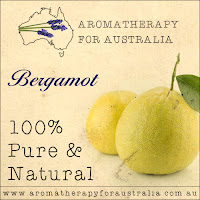
LEMON ESSENTIAL OIL

Family Name: Rutaceae
Common Name: Lemon
Botanical Name: Citrus limon / C. limonum
Extraction method: Cold expression of the outer peel.
Odour: Yellow to greenish-yellow or pale-yellow mobile liquid of a very light, fresh and sweet odour, truly reminiscent of the ripe peel.
General Description:
Citrus limon is a small evergreen tree, growing three to six metres high, with pale-green leaves and highly perfumed white and pink flowers. An individual tree can produce as many as 1,500 lemons per year, each fruit turning from green to yellow as it ripens.
The lemon tree originated in Asia, finding its way to Greece in the 2nd century AD, it made little impact in Europe until the Middle Ages, when it was cultivated in Spain and Sicily. It grows today throughout the Mediterranean, though Florida and California are the largest producers of the oil.
History/Folk lore: Referred to by the Roman historian Virgil as the 'median apple', the peel was used in ancient times to perfume clothes and repel insects. However, it was not until the later 17th Century that the neo-Galenic pharmacist Nicholas Lemery gave full recognition to the medicinal value of the fruit. In his book of 1698, he mentions lemon as being both an effective blood cleanser and carminative.
When the British Navy issued large quantities of the fruit to counteract the onslaught of scurvy on lengthy sea voyages, its reputation grew. In Spain and other European countries, lemon became widely known as a panacea, especially where toxicity and infection were involved.
'The juice was used as a diaphoretic and diuretic. Lemon juice is highly recommended in acute rheumatism. The juice is a good astringent.' Battaglia, Salvatore - The Complete Guide to Aromatherapy - 2nd Edition.
'Lemon is a powerful bactericide, an excellent reason for using it to treat cuts. Dr. Jean Valnet cites research which has shown that the essential oil will kill diphtheria bacilli in 20 minutes, and even when diluted to 0.2% it will make tuberculosis bacilli completely inactive.' Patricia Davis — "Aromatherapy — An A to Z'.
Main Uses In Massage:
Lemon oil has a strong effect on the immune system by both strengthening and supporting it.
Lemon has been classified as a stimulant in various studies. It is useful to clear and focus the mind. It seems to be more mentally refreshing rather than strongly stimulating to the body, and I have used it with clients who tend to think obsessively or who have a lot of decisions or worries.
Lemon has been classified as a stimulant in various studies. It is useful to clear and focus the mind. It seems to be more mentally refreshing rather than strongly stimulating to the body, and I have used it with clients who tend to think obsessively or who have a lot of decisions or worries.
Like grapefruit, it has a strong ability to decongest and detoxify, partly because of its astringent action, which helps move lymphatic fluid. The effect of tightening tissue also has a good effect on circulation and blood vessels, making it appropriate for varicose veins and broken capillaries.
Therapeutic Properties or Actions:
Antiseptic, antimicrobial, antirheumatic, antispasmodic, astringent, bactericidal, carminative, cicatrisant, depurative, diaphoretic, diuretic, febrifuge, haemostatic, hypotensive, insecticidal, rubefacient, tonic, vermifuge.
Body Systems & Therapeutic Uses:
Immune system - Antimicrobial qualities of oil are very useful for treating symptoms of colds, 'flu, bronchitis and asthma.
Circulatory system - Excellent tonic for reducing blood viscosity and helping to break up plaque deposits in the arteries, reducing cholesterol. May be used for varicose veins, broken capillaries, haemorrhoids and nosebleeds.
Nervous system - Lifts the spirits and overcomes mental fatigue. Clears the mind and said to aid in the decision-making process.
Skin Care - Astringent properties counteracts overproduction of sebum. Tones aging skin and has antibacterial properties that are beneficial for the treatment of acne and boils.
Energetics - Cooling and drying and is recommended to clear heat, dampness and phlegm. Considered an excellent detoxifying essential oil.
Body Systems & Therapeutic Uses:
Immune system - Antimicrobial qualities of oil are very useful for treating symptoms of colds, 'flu, bronchitis and asthma.
Circulatory system - Excellent tonic for reducing blood viscosity and helping to break up plaque deposits in the arteries, reducing cholesterol. May be used for varicose veins, broken capillaries, haemorrhoids and nosebleeds.
Nervous system - Lifts the spirits and overcomes mental fatigue. Clears the mind and said to aid in the decision-making process.
Skin Care - Astringent properties counteracts overproduction of sebum. Tones aging skin and has antibacterial properties that are beneficial for the treatment of acne and boils.
Energetics - Cooling and drying and is recommended to clear heat, dampness and phlegm. Considered an excellent detoxifying essential oil.
Precautions:
Non-toxic and non-irritant. Increased skin sensitivity UV light.
Always use fresh lemon oil when treating skin conditions or simply applying to the skin.
If citrus oils begin to no longer smell of the fresh rind, it is better to use in burners only.
< Shop for lemon essential oil >

Non-toxic and non-irritant. Increased skin sensitivity UV light.
Always use fresh lemon oil when treating skin conditions or simply applying to the skin.
If citrus oils begin to no longer smell of the fresh rind, it is better to use in burners only.
< Shop for lemon essential oil >
I will be posting more information about other essential oils on this blog so keep checking back.
< Related articles - eucalyptus , frankincense , geranium , ginger & lavender >
Information on this page is for educational purposes only and should not replace advice from a medical practitioner.
© Graphics are property of Aromatherapy For Australia. Please do not use images without permission or without credit or link back to this blog post. Please read our Terms & Conditions